


Few industries feel digital shifts as sharply as travel and hospitality. Today’s guests compare properties in seconds, research across different platforms and rely on clear, practical information before they commit to a booking.
That’s why content marketing is essential in 2026. People don’t choose a stay, a trip or an experience based on ads alone. They choose based on trust, clarity and how well a brand answers their questions.
Marketing moves fast. AI matures, platforms change overnight and attention spans shrink. Visibility is harder to earn and even harder to keep. Strong content is one of the few assets that still builds authority and direct bookings.
Below is a clear breakdown of what content marketing looks like in 2026, how it has evolved and why it’s especially important for travel and hospitality brands.
What content marketing is in 2026
Content marketing used to mean blogs and newsletters. Today it covers anything that helps guests understand an experience, compare options and feel confident booking with you. This includes:
- destination guides
- experience-led storytelling
- videos and walk-throughs
- itineraries and planning content
- service explainers
- user-generated guest content
- conservation and community stories
- interactive tools like planners and checklists
If it helps a guest make a decision, it’s content marketing.
What no longer works is generic descriptions. Guests recognise templated phrases instantly. They want practical, specific details that reflect the actual experience.
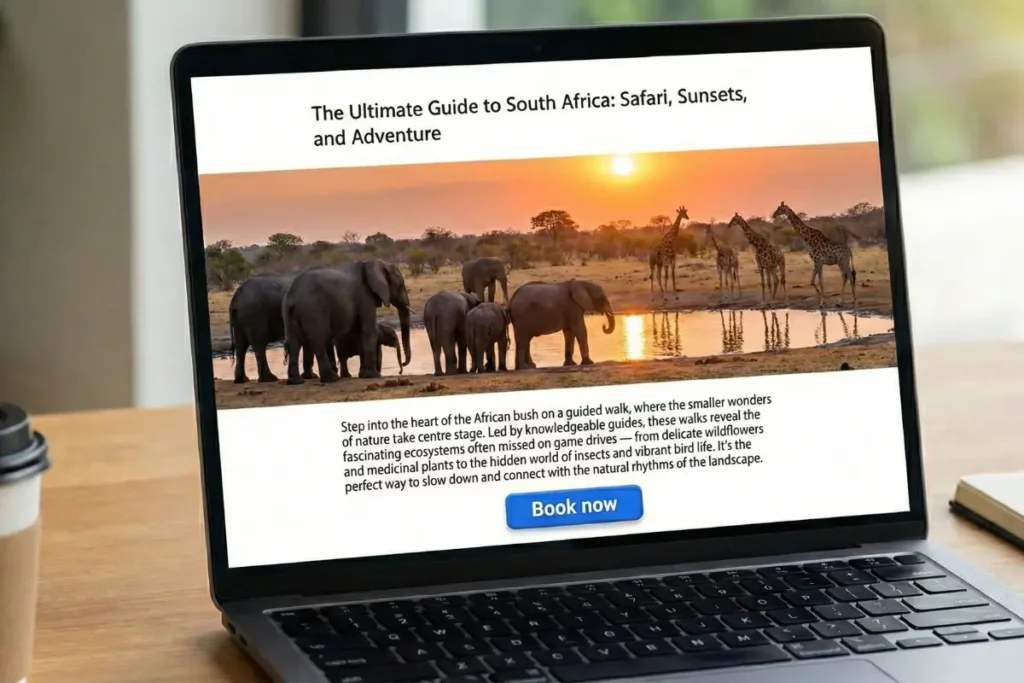
Content marketing in 2026 – why it matters
Content marketing matters for every business, but in travel and hospitality it’s vital. Guests aren’t buying a product. They’re buying time, comfort and a once-off experience that can’t be returned.
Strong content builds confidence. Weak or vague content creates uncertainty, and uncertainty kills bookings.
Here’s why content marketing delivers measurable value:
Visibility: Most travel decisions start online. Clear guides and practical content help brands appear more often in both traditional search and AI-driven search results.
Trust: Guests want detail: neighbourhood insight, amenities, dining, safety, access, views, transport and what to expect on arrival. Content provides the clarity they need.
Direct bookings: OTAs dominate, but content is one of the few organic levers that shifts guests back to booking directly.
Lower long-term cost: Ads get more expensive every year. Helpful content keeps working long after you publish it, reducing the reliance on paid channels.
How content marketing has evolved for travel and hospitality
1. Segmentation is essential
Different travellers have different motivations. A family, a honeymoon couple, a solo traveller and a business guest all need different information. Content that tries to speak to everyone connects with no one.
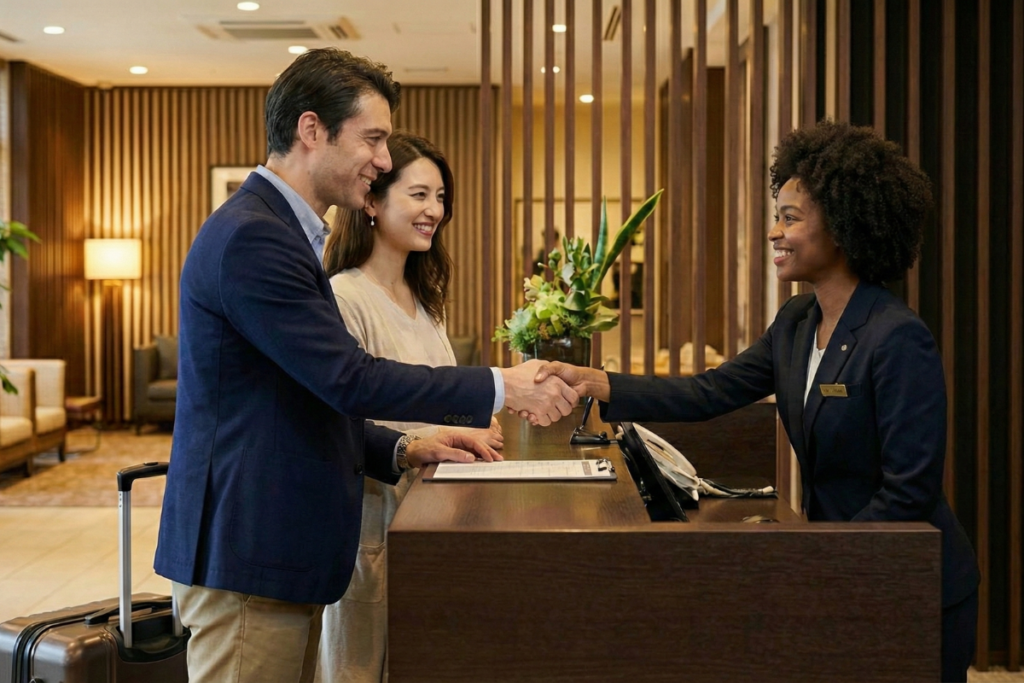
2. Guests want human storytelling supported by AI accuracy
AI improves research, but hospitality needs warmth and human detail. The strongest content blends efficiency with personality.
3. Mixed formats outperform single-format strategies
Short videos, destination guides, FAQs, blogs, reels, staff moments and behind-the-scenes clips all serve specific roles in the guest journey. Relying on only one format limits reach.
4. Distribution decides performance
A travel guide only works if you push it through the right channels: Google Business Profile, Instagram, email, property listings, newsletters and WhatsApp touchpoints.
5. Search behaviour is conversational
Travellers now ask AI tools:
- “Is Seapoint safe for families?”
- “Best area to stay in Cape Town for food?”
- “Where to stay near Addo with good views?”
Your content must answer these questions directly to stay visible.
6. Consistency beats presentation
Great visuals help, but consistent publishing wins. Hotels and tour operators who update seasonal content and refresh information stay ahead.

Formats performing best in 2026
Blog posts and destination guides: Still powerful for organic traffic. The most effective are specific, local and practical.
Short-form video: Room walkthroughs, food moments, sunrise views, wildlife clips and local tips perform strongly.
Guest-generated content: Nothing builds trust faster than real guests showing real moments.
Infographics and explainers: Transport guides, weather patterns, packing lists and route maps help guests plan with confidence.
Interactive tools: Trip planners, seasonal checklists and simple calculators keep guests engaged and prepared.
A strong content marketing process in 2026
- Research what guests actually ask: Use inbox queries, OTA questions, reviews and AI search suggestions.
- Create content that answers real needs: Destination guides, safety notes, dining lists, comparison charts, transport details.
- Distribute everywhere your guest already is: Website, social, Google, email, listings and WhatsApp.
- Engage quickly and clearly: Hospitality is service-led. Engagement builds trust before arrival.
- Measure what leads to bookings: Track which pages send traffic to your booking engine, not just which posts get likes.
- Improve seasonally: Travel content ages quickly. Refreshing it keeps your ranking steady.
The challenges hospitality brands face in 2026
- Content saturation: Every property posts content. Specificity is your competitive edge.
- Attention fatigue: Travellers compare multiple stays in minutes. You need fast, clear answers.
- Platform volatility: Algorithms reward clarity. Generic messaging never performs well.
- Automation vs authenticity: AI can support your workflow, but hospitality relies on warmth and real human voice.
- Rising ad costs: Content helps you rely less on OTAs and paid campaigns.
Final thoughts
If your marketing feels scattered or your content isn’t converting, this is the point where a structured approach makes a difference. At The Write Dynamic we help travel and hospitality brands turn confusing messaging into clear, confident communication that supports direct bookings and long-term growth.
If you want your content to work harder, reach the right guests and reflect the quality of your experience, let’s talk. A straightforward conversation is often all it takes to see where the gaps are and what can be improved.
Get in touch and let’s start building content that moves people to book.